

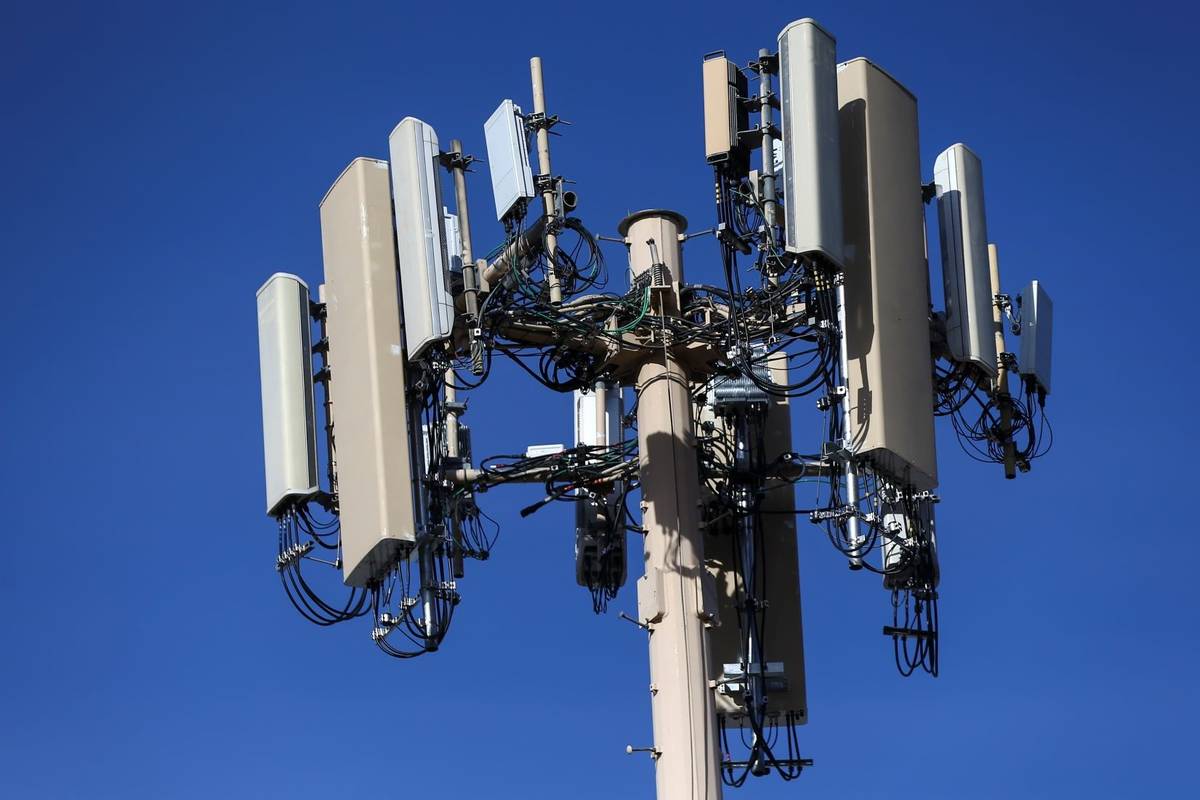
When https://fromlowry6360.livejournal.com/profile ? ve actually strolled via https://apricot-wombat-wb1qp1.mystrikingly.com/blog/very-best-safest-distance-from-your-5g-cell-tower-system , you may possess spotted small micro 5G cell may be on street light source poles. These look like small bins, but they? re also really transmitting cellular signals from cell carriers to your phone.
These more compact, purpose-built cell towers are replacing larger, purpose-built ones. When less obvious, they may nevertheless create issues for people.
The FCC? s Radiation Exposure Thresholds
The particular Radiation Exposure Thresholds of the FCC establish the risk-free distance from which in turn a person may be exposed to electromagnetic radiation from wireless devices. The publicity limitations are established on scientific facts indicating that RF energy may end up being hazardous to human being health.
The actual consumption rate (SAR) quantifies the radiofrequency strength absorbed by cells. It is generally 1. 6 watts per kilogram, proportioned across one gram of tissue.
Nonetheless, since 5g transmits at higher frequencies, it may cause more energy power for the skin in addition to other immediately subjected body parts. This may result in the variety of feasible consequences, such while the accelerated growth of skin health problems such as eczema, skin cancer, and cataracts.
Due of the potentially severe consequences of 5g radiation, PSU has opted to impose a general local power density restriction of 4 mW/cm2 averaged over 1 cm2, and not to exceed thirty minutes, for all 5G services at 3 thousands GHz. This confined limit is regular with the maximum spatial-average SAR of 1. 6 W/kg averaged across a single g of cells at 6 GHz.
The FCC? t Maximum Exposure Thresholds
If you've at any time used a cell phone, you surely be aware that an individual must be a minimum of 400 meters away from tower for basic safety. This is owing to the fact that the tranny strength of a mobile tower grows significantly with distance.
Whilst this may appear such as a wonderful thought, the fact is that these living close to towers may be additional prone to wellness issues. A 2014 research in Indian, for instance, mentioned that persons which resided within fifty meters of portable towers had much higher health concerns compared to those who were living farther away.
Yet, this research furthermore revealed that signs returned to normal within a few days and nights for persons which relocated to areas distant from cellular towers. Several research have indicated of which exposure to substantial amounts of radiofrequency electromagnetic fields (EMFs) may well induce cancer, head tumors, and additional health concerns.
safe distance from cell tower , which is usually used in cellular communication, may permeate the outermost level of the body, the skin. The particular skin functions as a protective buffer against mechanical destruction, infection by pathogenic bacteria, and the admission of unsafe chemicals. It is usually responsible for conserving the integrity of other organs and it is the biggest appendage within the human physique.
Minimum Exposure Thresholds of the FCC
The FCC's Least Exposure Thresholds depend on a number regarding unsupported scientific presumptions. They add the incorrect notion that interim exposures to RF radiation secure outstanding to low penetration into the entire body (i. e., cells heating) (i. elizabeth., tissue heating).
In addition, the assumption disregards the deeper penetration with the ELF parts of modulated RF signals as well as the effects of brief warmth bursts from pulsed RF waves. These assumptions do not line up with the existing knowledge of typically the biological effects regarding RF radiation; hence, they should not be utilized to create health-protective exposure limitations.
Additionally , the ICNIRP and FCC restrict their maximum direct exposure limits to area peak SARs based on the peak spatial specific assimilation rate (psSAR), which can be an insufficient dosimetric technique for evaluating the level of RF radiation exposure. Specifically, psSAR is incorrect from frequencies greater as compared to 6 GHz. Furthermore, psSAR has not been looked into for RF light with co-exposure to other environmental factors such as sunlight. Interactions between radiofrequency (RF) radiation plus other environmental elements may have bloodthirsty or synergistic outcomes. This would boost the likelihood of dangerous health outcomes. Co-exposure to RF rays and sunshine, intended for instance, may boost the risk of pores and skin cancer and intensify other skin problems, such as acne.